
Have you ever stopped to think about how much your chatbot knows about you? Over the years, tools like ChatGPT have become incredibly adept at learning your preferences, habits and even some of your deepest secrets. But while this can make them seem more helpful and personalized, it also raises some serious privacy concerns. As much as you learn from these AI tools, they learn just as much about you.
Stay protected & informed! Get security alerts & expert tech tips – sign up for Kurt’s ‘The CyberGuy Report’ now.
A man using ChatGPT on his laptop (Kurt “CyberGuy” Knutsson)
What ChatGPT knows
ChatGPT learns a lot about you through your conversations, storing details like your preferences, habits and even sensitive information you might inadvertently share. This data, which includes both what you type and account-level information like your email or location, is often used to improve AI models but can also raise privacy concerns if mishandled.
Many AI companies collect data without explicit consent and rely on vast datasets scraped from the web, which can include sensitive or copyrighted material. These practices are now under scrutiny by regulators worldwide, with laws like Europe’s GDPR emphasizing users’ “right to be forgotten.” While ChatGPT can feel like a helpful companion, it’s essential to remain cautious about what you share to protect your privacy.
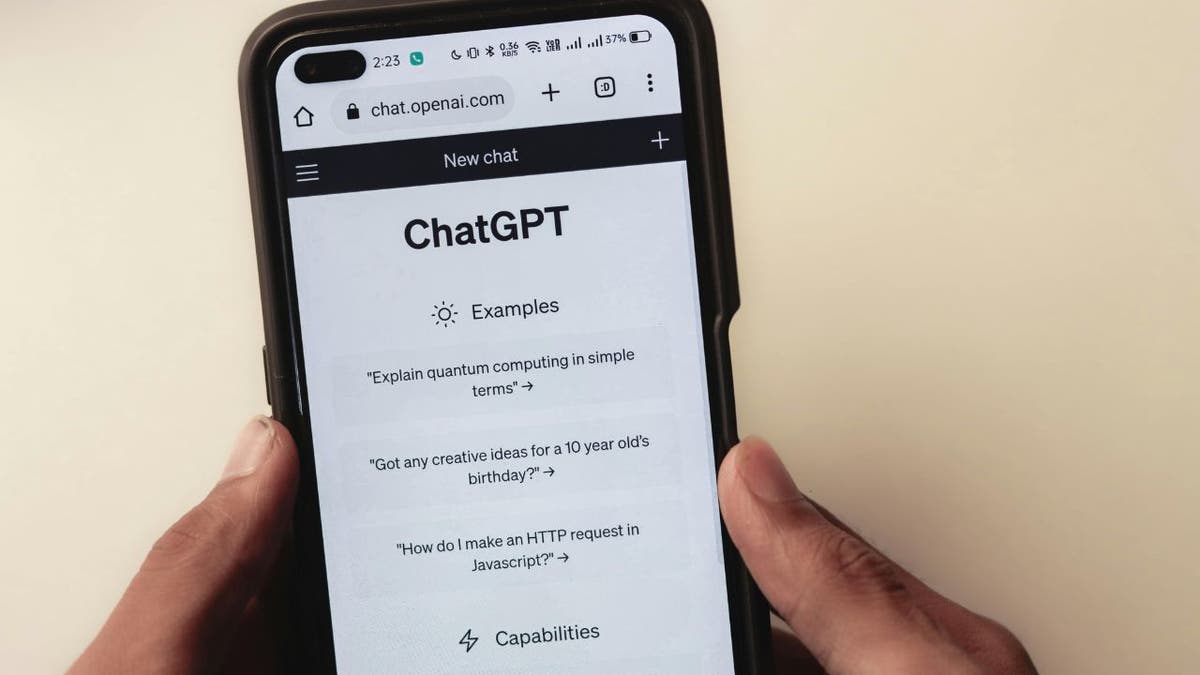
ChatGPT on a phone (Kurt “CyberGuy” Knutsson)
GEN-AI, THE FUTURE OF FRAUD AND WHY YOU MAY BE AN EASY TARGET
Why sharing sensitive information is risky
Sharing sensitive information with generative AI tools like ChatGPT can expose you to significant risks. Data breaches are a major concern, as demonstrated in March 2023 when a bug allowed users to see others’ chat histories, highlighting vulnerabilities in AI systems. Your chat history could also be accessed through legal requests, such as subpoenas, putting your private data at risk. User inputs are also often used to train future AI models unless you actively opt out, and this process isn’t always transparent or easy to manage.
These risks underscore the importance of exercising caution and avoiding the disclosure of sensitive personal, financial or proprietary information when using AI tools.

A woman using ChatGPT on her laptop (Kurt “CyberGuy” Knutsson)
5 WAYS TO ARM YOURSELF AGAINST CYBERATTACKS
What not to share with ChatGPT
To protect your privacy and security, it’s crucial to be mindful of what you share. Here are some things you should definitely keep to yourself.
- Identity details: Social Security numbers, driver’s license numbers and other personal identifiers should never be disclosed
- Medical records: While it might be tempting to seek interpretations for lab results or symptoms, these should be redacted before uploading
- Financial information: Bank account numbers and investment details are highly vulnerable if shared
- Corporate secrets: Proprietary data or confidential work-related information can expose trade secrets or client data
- Login credentials: Passwords, PINs and security answers should remain within secure password managers
ChatGPT on a Wikipedia page on a phone (Kurt “CyberGuy” Knutsson)
DON’T LET AI PHANTOM HACKERS DRAIN YOUR BANK ACCOUNT
How to protect your privacy while using Chatbots
If you rely on AI tools but want to safeguard your privacy, consider these strategies.
1) Delete conversations regularly: Most platforms allow users to delete chat histories. Doing so ensures that sensitive prompts don’t linger on servers.
2) Use temporary chats: Features like ChatGPT’s Temporary Chat mode prevent conversations from being stored or used for training purposes.
3) Opt out of training data usage: Many AI platforms offer settings to exclude your prompts from being used for model improvement. Explore these options in account settings.
4) Anonymize inputs: Tools like Duck.ai anonymize prompts before sending them to AI models, reducing the risk of identifiable data being stored.
5) Secure your account: Enable two-factor authentication and use strong passwords for added protection against unauthorized access. Consider using a password manager to generate and store complex passwords. Remember, your account-level details like email addresses and location can be stored and used to train AI models, so securing your account helps limit how much personal information is accessible. Get more details about my best expert-reviewed password managers of 2025 here.
6) Use a VPN: Employ a reputable virtual private network (VPN) to encrypt internet traffic and conceal your IP address, enhancing online privacy during chatbot use. A VPN adds a crucial layer of anonymity, especially since data shared with AI tools can include sensitive or identifying information, even unintentionally. A reliable VPN is essential for protecting your online privacy and ensuring a secure, high-speed connection. For the best VPN software, see my expert review of the best VPNs for browsing the web privately on your Windows, Mac, Android and iOS devices.
DATA REMOVAL DOES WHAT VPNS DON’T: HERE’S WHY YOU NEED BOTH
Kurt’s key takeaways
Chatbots like ChatGPT are undeniably powerful tools that enhance productivity and creativity. However, their ability to store and process user data demands caution. By understanding what not to share and taking steps to protect your privacy, you can enjoy the benefits of AI while minimizing risks. Ultimately, it’s up to you to strike a balance between leveraging AI’s capabilities and safeguarding your personal information. Remember: Just because a chatbot feels human doesn’t mean it should be treated like one. Be mindful of what you share and always prioritize your privacy.
Do you think AI companies need to do more to protect users’ sensitive information and ensure transparency in data collection and usage? Let us know by writing us at Cyberguy.com/Contact.
For more of my tech tips and security alerts, subscribe to my free CyberGuy Report Newsletter by heading to Cyberguy.com/Newsletter.
Ask Kurt a question or let us know what stories you’d like us to cover.
Follow Kurt on his social channels:
Answers to the most-asked CyberGuy questions:
New from Kurt:
Copyright 2025 CyberGuy.com. All rights reserved.